
Playing with Purpose: Learning English Through Sports Conversations with Islamic Values
Assalamu Alaikum, dear learners! In today's engaging lesson, we combine English language practice with timeless Islamic principles. Unit Eight, Lesson 2 invites us to explore conversations about football teams—a fun, relatable topic for middle school students, adults, and beginner English learners in Iraqi Islamic schools. As we practice vocabulary and dialogue, we'll also reflect on how our faith guides us in sports, teamwork, and respectful communication. Let's kick off this lesson with niyyah (نِيَّةٍ) — a sincere intention to learn, grow, and please Allah (سُبْحَانَهُ وَتَعَالَى). Jump straight to the interactive game ↓

Teamwork in football reflects the Islamic value of cooperation (ta'awun)
Understanding the Conversation: Football Teams and Friendly Dialogue
This lesson centers on completing a conversation about popular football clubs like Liverpool, Chelsea, Arsenal, Manchester United, and Barcelona. Learners practice using key terms such as defense, passing, and tiki-taka (a Spanish phrase describing Barcelona's short-passing style). By filling in blanks with words like "Liverpool 2-0" or "Arsenal," students build confidence in discussing sports—a universal topic that connects cultures while honoring our Islamic identity.
Key Vocabulary: Building Your Sports Lexicon
To master this conversation, focus on these essential terms:
- Defense (دِفَاعٍ - diffa'): The team players who protect their goal. This relates to the Islamic concept of hifz (حِفْظٍ), meaning "protection" or "preservation."
- Passing (تَمْرِيرٌ - tamreer): Sharing the ball between teammates. This reflects ta'awun (تَعَاوُنٍ), an Arabic term for "cooperation," highly valued in Islam as Allah says: "And cooperate in righteousness and piety." (Surah Al-Ma'idah 5:2)
- Tiki-taka: A style of play emphasizing quick, short passes. While the term is Spanish, the concept mirrors Islamic emphasis on ittihad (اِتِّحَادٍ), meaning "unity" and seamless teamwork.
- Scoreline (e.g., 2-0): The final result. Muslims remember that outcomes are by Allah's decree—qadr (قَدْرٍ)—so we celebrate effort over ego.
- Match (مُبَارَاةٌ - mubarah): A competitive game. The root word relates to barakah (بَرَكَةٍ), reminding us to seek blessings in all activities.
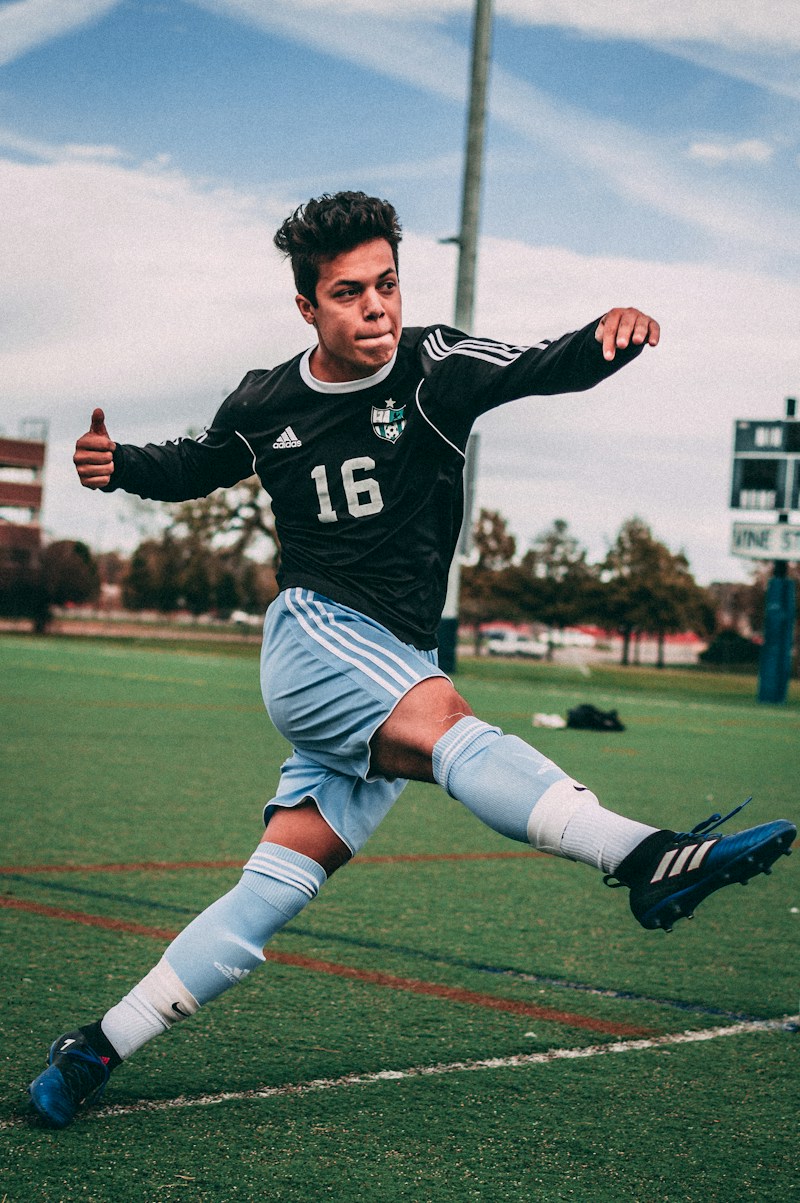
Combining language learning with Islamic values
Islamic Perspective on Sports and Competition
Islam encourages physical fitness and healthy competition when pursued with good intentions. The Prophet Muhammad (ﷺ) said: "The strong believer is better and more beloved to Allah than the weak believer, while there is good in both." (Sahih Muslim 2664). This hadith reminds us that strength—physical, mental, and spiritual—is praiseworthy when used for good.
(Related Read: Learn more about Prophetic guidance and historical heroes in our Character Building in Islam: Tariq bin Ziyad historical profile.)
Moreover, Allah (سُبْحَانَهُ وَتَعَالَى) commands respectful speech in all interactions: "And speak to people good [words]." (Surah Al-Baqarah, 2:83). Whether cheering for Liverpool or Barcelona, our conversations should reflect adab (أَدَبٍ), meaning "good manners" or "etiquette." This means avoiding trash talk, respecting opponents, and praising effort—not just victory.
Practicing Respectful Dialogue: Adab in Conversation
When completing the lesson's dialogue, notice how Person 1, 2, and 3 share opinions without disrespect. For example:
"I like Arsenal. Their passing game is just so smooth."
This statement expresses preference without belittling other teams—a perfect model of ukhuwwah (أُخُوَّةٍ), or "brotherhood/sisterhood," in action. In Islamic tradition, we celebrate diversity in opinions while maintaining unity in faith. Even in sports debates, we uphold husn al-khuluq (حُسْنِ الْخُلُقِ), "excellent character," by listening actively and responding kindly.
For a deeper look into proper Islamic etiquette in dialogue, explore our Adab and Manners Guide through a conversation about Umrah.
Arabic Terms Quick Reference
- نِيَّةٍ (niyyah): Intention - the foundation of all actions in Islam
- تَعَاوُنٍ (ta'awun): Cooperation - working together for good
- أَدَبٍ (adab): Manners/Etiquette - proper behavior
- أُخُوَّةٍ (ukhuwwah): Brotherhood/Sisterhood - unity among believers
- قَدْرٍ (qadr): Divine Decree - Allah's predestination
- بَرَكَةٍ (barakah): Blessings - divine goodness in things
- عِبَادَةٍ (ibadah): Worship - all acts pleasing to Allah
Real-Life Application: Bringing Faith and Football Together
How can you apply this lesson beyond the classroom? Try these practical steps:
- Before a match: Make a quick du'a (دُعَاءٍ), meaning "supplication," asking Allah for safety, fair play, and enjoyment—regardless of the score. Say: "Bismillah" (بِسْمِ اللَّهِ) - "In the name of Allah."
- During conversations: Practice using English sports terms while incorporating Islamic values. For instance: "I admire Barcelona's tiki-taka because it shows ta'awun (cooperation), which Islam teaches."
- After a game: Whether your team wins or loses, say "Alhamdulillah" (اَلْحَمْدُ لِلَّهِ), meaning "All praise is due to Allah," and thank teammates for their effort.
- In community settings: Organize friendly football matches at your Islamic school or mosque, emphasizing adab and inclusion for all skill levels.
- Weekly practice: Discover more educational resources on the Drosy Tariq homepage to improve your English in a supportive Islamic environment.
By linking language learning with faith, you transform everyday topics into opportunities for ibadah (عِبَادَةٍ), meaning "worship"—because every good deed done with sincerity pleases Allah.
Unit Eight – Lesson 2
Interactive ESL Practice | Conversation about football teams
Vocabulary & Context
In this lesson, we are talking about football teams.
Pay attention to terms like
defense,
passing,
tiki-taka,
and words like
mesmerizing and
unbeatable.
(Click on the blue dashed words to see their meanings!)
Word
Definition goes here.
Complete the conversation:
Instructions: 1) Click a word from the box below, 2) Then click the blank line where it belongs.
Person 1: "Hey, have you heard about the match between and ?"
Person 2: "Yeah, I heard won ."
Person 1: "Yeah, they played really well. Their was unbeatable."
Person 3: "I'm more of a fan myself."
Person 2: "I like . Their game is just so smooth."
Person 6: "I'm a big fan of . Their style is just so mesmerizing to watch."
Conclusion: Key Takeaways for Faithful Learners
As we wrap up this lesson, remember these essential points:
- English conversation practice can be both fun and faith-filled when guided by Islamic principles.
- Key sports vocabulary—like defense, passing, and tiki-taka—becomes more meaningful when connected to values like ta'awun (cooperation) and adab (manners).
- Qur'anic guidance (Surah Al-Baqarah 2:83, Surah Al-Ma'idah 5:2) and Prophetic wisdom (Sahih Muslim 2664) remind us to speak kindly, strive for strength, and trust in Allah's qadr (divine decree).
- Real-life application turns classroom learning into character building—on the field, in conversation, and in community.
- Continue your learning journey with موقع دروسي (Drosy Tariq) and browse our full collection of lessons tailored for the Islamic English Curriculum.
Dear learners, may your journey in English and Islamic education be filled with barakah (بَرَكَةٍ), meaning "blessings." Keep practicing, stay curious, and let your love for football—and faith—inspire others. As the Prophet (ﷺ) taught us: "Actions are judged by intentions." (Sahih al-Bukhari 1). So intend good, speak good, and play good—for the sake of Allah.
Related Resources:
← الصفحة الرئيسية للموقع |
تواصل معنا Contact Us →